What is Heroku? Common Business Use Cases (Including Commerce Cloud Integration)
In today’s fast-paced business environment, companies need flexible, scalable platforms that can adapt to changing market demands without the overhead of managing complex infrastructure. Enter Heroku: a cloud Platform as a Service (PaaS) that has revolutionized how businesses deploy and scale applications. Whether you’re a startup looking to launch quickly or an enterprise seeking robust integration capabilities, understanding Heroku’s potential can transform your digital strategy.
What is Heroku?
Heroku is a fully managed cloud platform that enables developers to build, deploy, and scale applications without worrying about underlying infrastructure complexities. Founded in 2007 and acquired by Salesforce in 2010, Heroku has evolved into one of the most trusted platforms in the cloud computing landscape, built on top of Amazon Web Services infrastructure.
What sets Heroku apart is its support for multiple programming languages including Node.js, Ruby, Java, PHP, Python, Go, Scala, and Clojure. This flexibility makes it accessible to development teams with diverse technical backgrounds, eliminating the need to learn new languages or frameworks just to deploy applications.

At CLOUDSTREET, our Houston-based team has helped businesses across Texas and globally leverage Heroku’s capabilities to streamline their operations and accelerate growth. We’ve seen firsthand how the right platform choice can make or break digital transformation initiatives.
Core Platform Capabilities That Drive Business Value
Heroku operates using “dynos”: smart containers that run applications in a fully managed runtime environment. This approach eliminates the traditional headaches of server provisioning, dependency management, and manual deployments. Instead, developers can focus entirely on writing code that drives business value.
The platform’s deployment process is remarkably straightforward. Teams can deploy applications directly from Git, GitHub, or continuous integration systems with simple commands. The intuitive Heroku Dashboard provides real-time visibility into application performance, making management accessible even to non-technical stakeholders.
Scalability represents another core strength. Applications can scale horizontally with simple commands or dashboard clicks, adjusting to traffic demands without downtime. This elastic scaling capability proves invaluable during marketing campaigns, seasonal spikes, or unexpected viral moments that could otherwise overwhelm traditional infrastructure.
Ready to explore how Heroku can transform your application deployment strategy? Contact our Salesforce experts for a personalized consultation.
8 Common Business Use Cases for Heroku
1. Middleware Applications and System Integration
Heroku excels at building middleware applications that connect previously isolated systems. Whether you need to integrate your website with payment processors, connect web forms to databases, or synchronize data between multiple platforms, Heroku provides the perfect environment.
These middleware solutions can operate on predetermined schedules, automatically pulling data from external systems into your Salesforce CRM. Common middleware services include single sign-on implementations, in-memory caching solutions, and real-time messaging tools that enable seamless data streaming between applications.
2. External Database Management and Storage
Enterprise businesses often require data storage capabilities that exceed standard Salesforce storage limits. Heroku Postgres provides a robust solution for storing historical records, archival data, and large datasets that don’t require regular access within Salesforce.
The beauty of this approach lies in accessibility: your external database can be accessed from anywhere using secure URLs, protected by trusted IP ranges, and features automated backup services. This setup frees up valuable Salesforce storage while maintaining seamless data synchronization through Heroku Connect.
3. Customer-Facing Mobile and Web Applications
When businesses need highly customized customer experiences that go beyond standard platform limitations, Heroku becomes the ideal choice. The platform supports high-throughput, low-latency applications built with open-source technologies, enabling companies to deliver both desktop and mobile browser experiences through a single deployment.
Interested in building custom customer-facing applications? Our team specializes in comprehensive solution development that drives measurable ROI.
4. API Development and Microservices Architecture
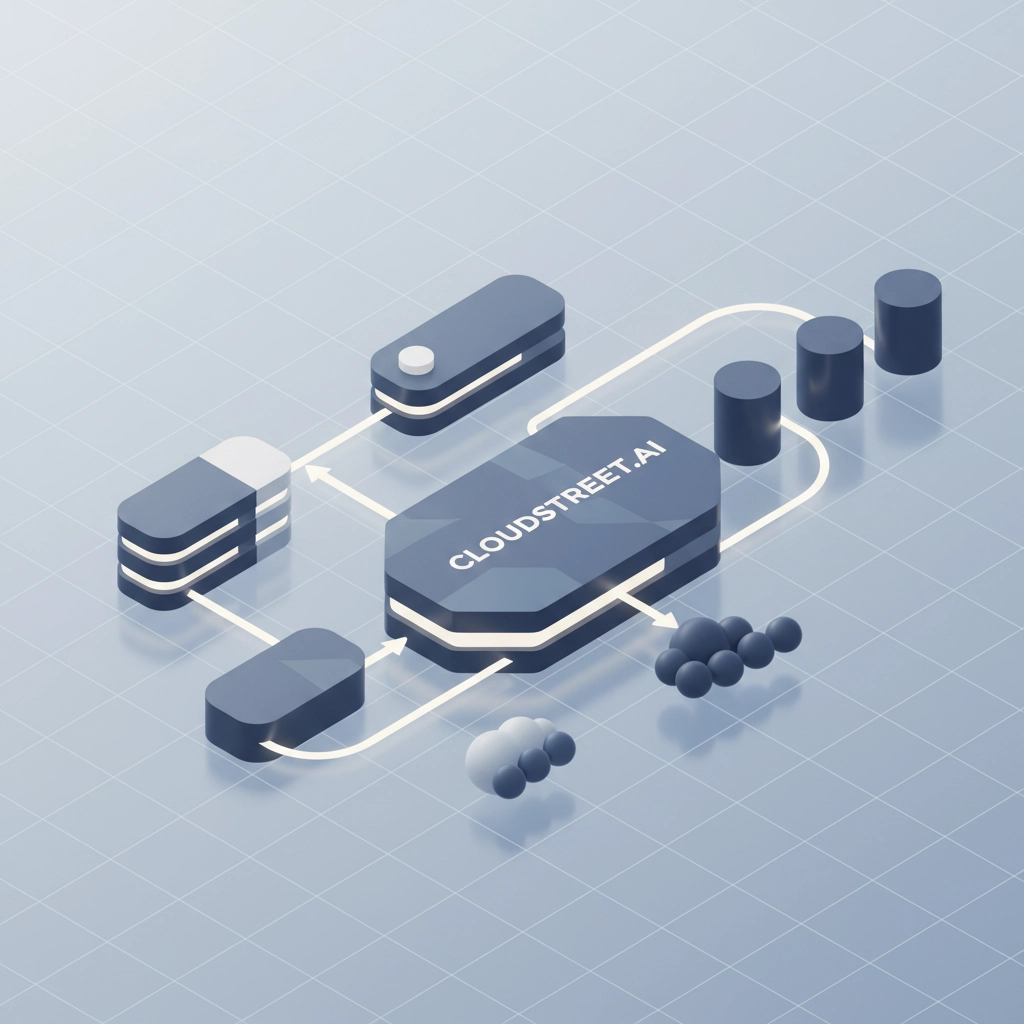
Modern businesses increasingly rely on API-first approaches and microservices architectures to maintain agility and scalability. Heroku’s container-based infrastructure makes it perfect for deploying and managing multiple microservices that can scale independently based on demand.
The platform’s support for multiple programming languages means different microservices can be built using the most appropriate technology stack, while still maintaining cohesive deployment and monitoring through the unified Heroku ecosystem.
5. Data Processing and Analytics Applications
Organizations dealing with large volumes of data often need specialized processing applications that can handle complex transformations, analytics, and reporting tasks. Heroku’s scalable infrastructure can automatically adjust resources based on processing demands, making it cost-effective for both regular operations and peak-load scenarios.
6. Rapid Prototype Development and Testing
For businesses exploring new digital products or services, Heroku’s simplified deployment process enables rapid prototyping and testing. Teams can deploy new versions instantly, gather user feedback, and iterate quickly without the traditional overhead associated with infrastructure management.
7. Legacy System Modernization
Companies transitioning from legacy systems often need bridge applications that can gradually move functionality to modern platforms. Heroku provides an excellent staging ground for this modernization, supporting various integration patterns while maintaining existing business processes.
8. E-commerce and Commerce Cloud Integration
This brings us to one of Heroku’s most powerful applications: e-commerce integration with Salesforce Commerce Cloud. This use case deserves special attention due to its complexity and business impact.

Commerce Cloud Integration: Transforming E-commerce Operations
Heroku has emerged as a preferred platform for e-commerce applications requiring deep Salesforce integration. The combination creates a powerful ecosystem where commerce transactions, customer data, and business operations seamlessly flow together.
Seamless Data Synchronization
Through Heroku Connect, any transaction recorded in Heroku Postgres automatically integrates with Salesforce. This means every customer interaction, purchase, and engagement gets captured in your CRM as the system of record, creating a 360-degree view of customer relationships.
Organizations running e-commerce on Heroku typically leverage Salesforce for multiple critical functions:
- Customer information and order history management
- Product catalog organization using Salesforce roles and workflows
- Customer-specific pricing through pricebooks and contracts
- Agent-driven updates to prices and orders
- Creation and management of promotions and campaigns
- Comprehensive business and customer analytics
Bespoke Customer Experiences
Companies choose Heroku for their e-commerce runtime when they need high-fidelity, bespoke experiences that exceed standard commerce platform capabilities. Notable retailers like Soylent and Macy’s have successfully deployed custom e-commerce solutions on Heroku, demonstrating the platform’s enterprise-grade reliability.
Ready to explore Commerce Cloud integration possibilities? Check out our insights on the future of Salesforce Commerce Cloud with AI or learn about B2B Commerce Cloud implementations.

Multi-Cloud Strategy Support
The Heroku-Salesforce integration proves particularly valuable as businesses adopt multi-cloud strategies. Organizations can maintain connections with Microsoft Azure, AWS, and other platforms while ensuring seamless data flow with Salesforce. This cross-cloud capability makes Heroku ideal for businesses transitioning from legacy systems while future-proofing their operations.
Advanced Order Management
For complex commerce operations, Heroku integrates beautifully with Salesforce Order Management System, enabling sophisticated fulfillment workflows, inventory management, and customer service processes. Learn more about optimizing your order management with our comprehensive guide to Salesforce Order Management System.
Why Partner with CLOUDSTREET for Your Heroku Implementation
At CLOUDSTREET, we understand that choosing the right platform is just the beginning. Our Houston-based team brings deep expertise in Heroku implementations, having helped businesses locally and globally transform their digital operations through strategic platform choices.
Our Proven Process
We don’t just deploy applications: we architect solutions that align with your business objectives. Our approach begins with understanding your specific challenges, whether you’re integrating with Commerce Cloud, building custom applications, or modernizing legacy systems. Discover more about our methodology through our detailed process overview.
Comprehensive Support Beyond Deployment
From initial consultation through ongoing optimization, we provide end-to-end support that ensures your Heroku implementation delivers measurable business value. Our team stays current with platform updates, security best practices, and integration opportunities that can enhance your competitive advantage.
[IMAGE_HERE]Getting Started: Your Next Steps
The power of Heroku lies not just in its technical capabilities, but in its ability to align technology with business strategy. Whether you’re exploring middleware solutions, planning Commerce Cloud integration, or building custom applications, the right implementation partner makes all the difference.
Ready to transform your business with Heroku? Our team is standing by to discuss your specific needs and explore how Heroku can accelerate your digital transformation.
Take action today:
- Schedule a consultation to discuss your Heroku implementation needs
- Contact our Salesforce specialists at CLOUDSTREET for personalized guidance
- Explore our case studies to see real-world success stories from businesses like yours
- Book a platform demonstration to see Heroku’s capabilities in action
From our Houston headquarters, CLOUDSTREET serves businesses across Texas and around the world, bringing enterprise-grade expertise to organizations of all sizes. Don’t let infrastructure complexity hold back your innovation: let us show you how Heroku can become the foundation for your next breakthrough application.
Connect with CLOUDSTREET today and discover why businesses trust us to guide their digital transformation journeys through strategic platform implementations that drive real business results.
Category
Discover insights that drive results - explore out latest blog posts now
Case Study: How Highland Cabinetry Colorado Built a Modern Wholesale Powerhouse on Salesforce B2B Commerce Cloud
In the world of high-end cabinetry, timing is everything. When [...]
Agentforce ROI: 7 Ways to Maximize Your Salesforce AI Investment
You've heard the buzz. Salesforce Agentforce is supposed to revolutionize [...]
Salesforce B2B Commerce Cloud Partner & Consultant Guide
You're about to drop serious money on a Salesforce B2B [...]