Salesforce Lightning Out 2.0: What It Means for Modern Business Apps
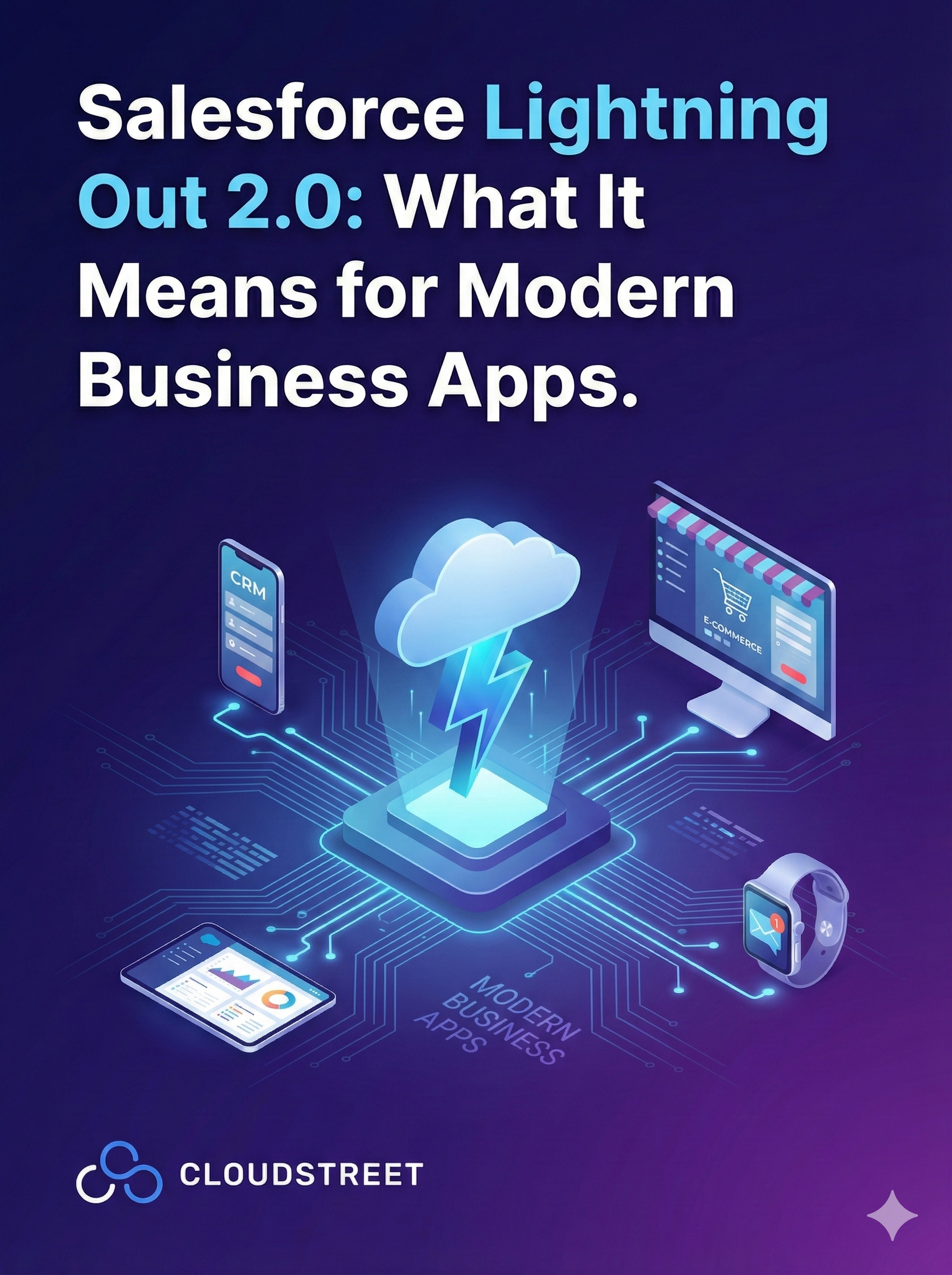
After nearly a decade of waiting, Salesforce has finally moved Lightning Out 2.0 from beta to general availability with the Winter ’26 release. This isn’t just another incremental update – it’s a complete reimagining of how businesses can extend Salesforce functionality beyond the platform’s boundaries.
For companies looking to create seamless user experiences across their entire digital ecosystem, Lightning Out 2.0 represents a game-changing opportunity. Here at CLOUDSTREET, we’ve been helping businesses in Houston, Texas and globally navigate Salesforce implementations, and we’re excited about what this technology means for modern business applications.
What Exactly is Lightning Out 2.0?
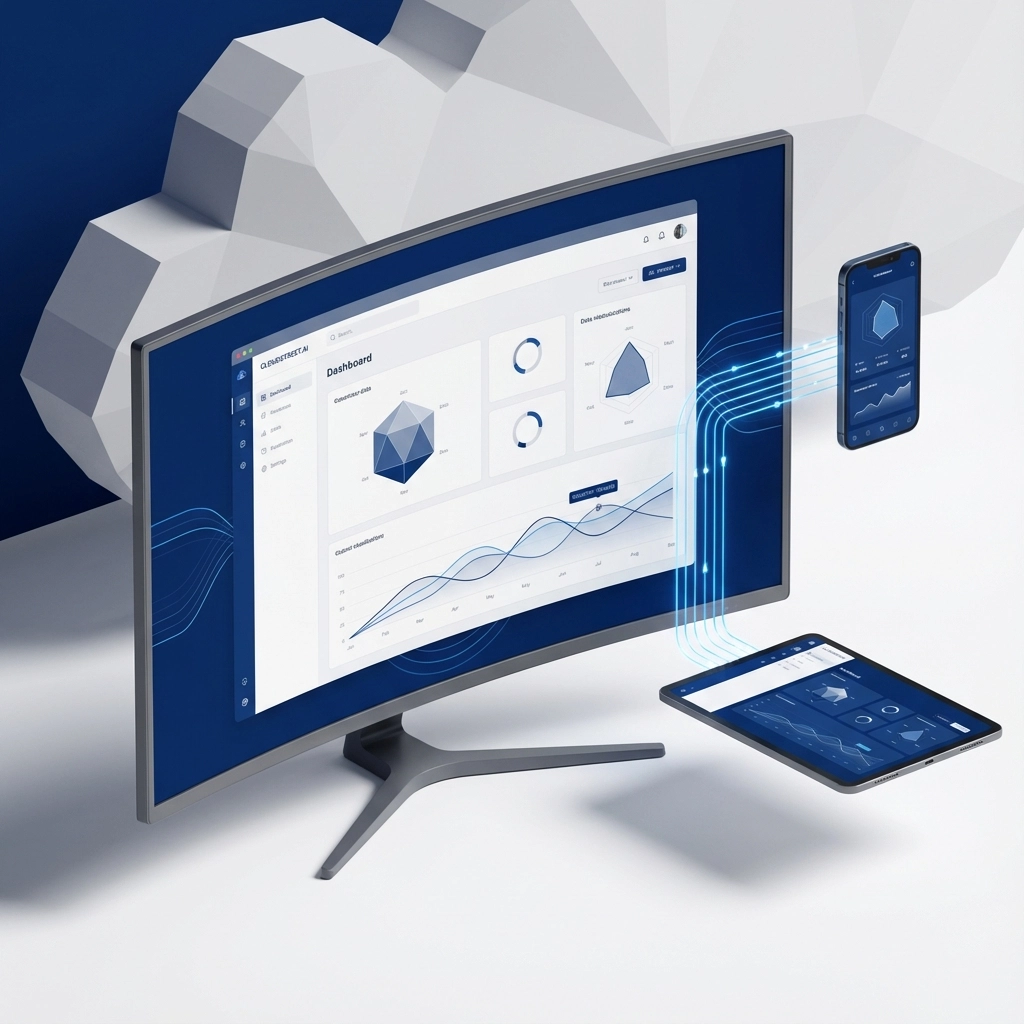
Lightning Out 2.0 is Salesforce’s solution for embedding Lightning Web Components (LWCs) directly into external applications. Think of it as a bridge that lets you take the powerful components you’ve built inside Salesforce and display them seamlessly in your company website, customer portal, or any other web application.
Unlike its predecessor that relied on older Aura framework technology, Lightning Out 2.0 is built on modern web standards. This means your development teams can work with familiar technologies while leveraging the robust business logic and data security that Salesforce provides.
The Long Journey: From Beta to Production Ready
The original Lightning Out has been in beta since around 2015, making it one of Salesforce’s longest-running beta features. During this extended beta period, many businesses were hesitant to build critical functionality on top of a non-production-ready feature – and rightfully so.
The decade-long beta status wasn’t without good reasons. The original version had several significant limitations that made it challenging for enterprise use:
- Outdated Architecture: Built on the older Aura component framework instead of modern Lightning Web Components
- Security Vulnerabilities: Relied on session ID authentication that could expose sensitive credentials
- Complex Implementation: Required extensive manual coding and workarounds for basic functionality
- Limited Browser Support: Inconsistent behavior across different browsers and devices
With Lightning Out 2.0’s move to general availability, Salesforce has addressed these core issues head-on.
5 Key Technical Improvements That Matter
1. Modern Lightning Web Component Foundation
Lightning Out 2.0 is built entirely on Lightning Web Components, Salesforce’s modern development framework. This means better performance, improved security, and compatibility with current web standards. For businesses planning their digital transformation, this ensures your investment is future-proof.
2. OAuth 2.0 Security Implementation
Gone are the days of risky session ID management. Lightning Out 2.0 uses industry-standard OAuth 2.0 authentication flows, providing secure access without exposing sensitive session information. This is particularly important for businesses in regulated industries or those handling sensitive customer data.
3. Simplified Developer Experience
The new implementation requires minimal code to embed Salesforce components. Instead of copying complex bootstrap code and managing static resources, developers can now use a simple declarative approach that handles all the heavy lifting automatically.
4. Enhanced Cross-Site Security
Components run in isolated iframes with secure cross-frame communication, protecting both your Salesforce data and your external applications from potential security vulnerabilities. This isolation ensures that malicious scripts or CSS conflicts can’t compromise your integrated experiences.
5. Improved Performance and Reliability
Built on the Lightning Web Runtime (LWR), Lightning Out 2.0 delivers faster load times and more reliable performance, especially important for customer-facing applications where user experience directly impacts business outcomes.
Real-World Business Applications
The practical applications for Lightning Out 2.0 extend far beyond technical capabilities. Here are some compelling use cases we’re seeing businesses explore:
Customer Portal Integration
Imagine your customers can access their account information, submit service requests, and track order status directly from your company website – all powered by real-time Salesforce data. No separate login required, no data synchronization delays.
Employee Self-Service Applications
Internal tools like expense reporting, time tracking, or HR requests can be embedded directly into your company intranet, providing employees with seamless access to Salesforce functionality within their familiar work environment.
Partner and Vendor Portals
B2B companies can create sophisticated partner portals that display relevant account information, opportunity pipelines, and collaboration tools without requiring partners to learn the Salesforce interface.
E-commerce Integration
Online retailers can embed customer service components, order management tools, and personalized product recommendations directly into their e-commerce platforms, creating a unified customer experience.
Why This Matters for Your Business Strategy
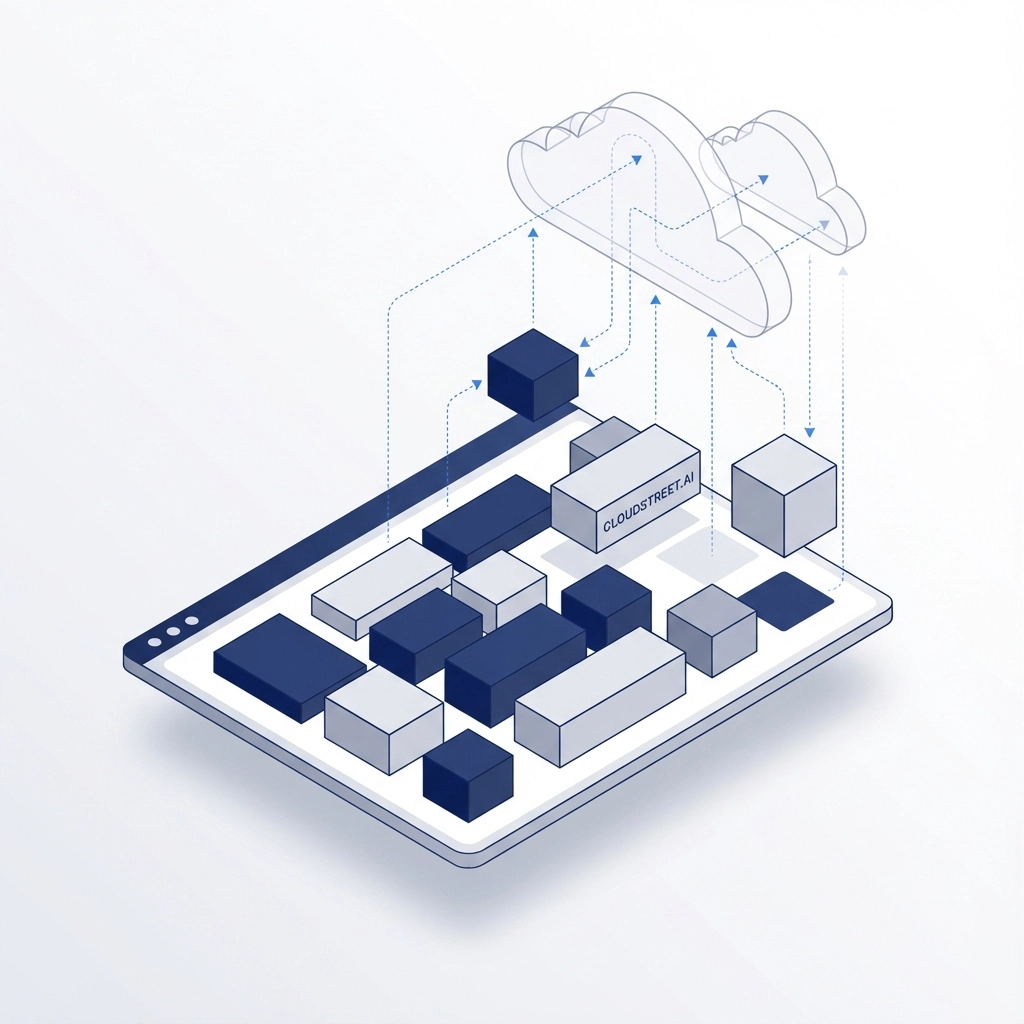
Lightning Out 2.0 addresses a fundamental challenge many businesses face: how to provide consistent user experiences across multiple systems without duplicating functionality or compromising security.
Traditional approaches often require building separate versions of the same features for different platforms. With Lightning Out 2.0, you can build once in Salesforce and deploy everywhere, significantly reducing development costs and maintenance overhead.
For businesses considering their digital transformation strategy, this technology enables a more cohesive approach to customer engagement and internal operations.
Implementation Considerations and Best Practices
While Lightning Out 2.0 significantly simplifies the technical implementation, successful deployment still requires careful planning:
Authentication Strategy: Determine how users will authenticate across your external applications and Salesforce. The OAuth 2.0 implementation provides flexibility, but you’ll need to design the user flow thoughtfully.
Component Design: Not every Salesforce component is suitable for external deployment. Focus on components that provide clear value in external contexts and don’t require extensive Salesforce-specific knowledge to use effectively.
Performance Optimization: While Lightning Out 2.0 offers improved performance, consider the impact of loading Salesforce components on your external application’s overall speed and user experience.
Security Review: Even with improved security features, embedding Salesforce functionality in external applications requires careful security planning, especially for customer-facing implementations.
Getting Started with CLOUDSTREET’s Implementation Support
As a Houston-based IT consulting firm with global reach, CLOUDSTREET has extensive experience helping businesses maximize their Salesforce investments. Our team has been working with Lightning Out since its beta days, and we’re excited to help businesses leverage the full potential of Lightning Out 2.0.
Whether you’re looking to enhance your customer portal, streamline internal processes, or create innovative B2B applications, our Salesforce specialists can help you design and implement a solution that meets your specific business needs.
The Future of Integrated Business Applications
Lightning Out 2.0 represents more than just a feature update – it’s a glimpse into the future of how businesses will integrate their technology ecosystems. As companies increasingly adopt best-of-breed solutions rather than monolithic platforms, the ability to seamlessly integrate functionality becomes a competitive advantage.
For businesses planning their technology roadmap, Lightning Out 2.0 offers an opportunity to create more cohesive user experiences while maintaining the flexibility to choose the right tools for each specific need.
Next Steps for Your Organization
Ready to explore how Lightning Out 2.0 can transform your business applications? Here are several ways to get started:
Schedule a consultation with our Salesforce experts to discuss your specific use cases and implementation strategy. We’ll help you identify the best opportunities for Lightning Out 2.0 in your organization.
Request a technical assessment of your current Salesforce implementation to understand how Lightning Out 2.0 might integrate with your existing systems and processes.
Explore our Salesforce migration services if you’re still using older Salesforce technology that might not be compatible with Lightning Out 2.0.
Contact CLOUDSTREET today at cloudstreet.ai to learn how we can help you leverage Lightning Out 2.0 for your business applications. Our team is ready to help you create the integrated, user-friendly experiences your customers and employees expect in today’s digital landscape.
The decade-long wait for Lightning Out 2.0 is over. Now it’s time to put this powerful technology to work for your business.
Category
Discover insights that drive results - explore out latest blog posts now
Case Study: How Highland Cabinetry Colorado Built a Modern Wholesale Powerhouse on Salesforce B2B Commerce Cloud
In the world of high-end cabinetry, timing is everything. When [...]
Agentforce ROI: 7 Ways to Maximize Your Salesforce AI Investment
You've heard the buzz. Salesforce Agentforce is supposed to revolutionize [...]
Salesforce B2B Commerce Cloud Partner & Consultant Guide
You're about to drop serious money on a Salesforce B2B [...]