How Salesforce Commerce Cloud B2B is Transforming the Skincare Industry
The skincare industry is booming. But behind the serums, moisturizers, and SPF formulas lies a complex B2B ecosystem that many brands struggle to manage. Wholesale orders, distributor relationships, account-specific pricing, and regulatory compliance create a web of challenges that legacy systems simply cannot handle.
Enter Salesforce Commerce Cloud B2B. This platform is reshaping how skincare manufacturers, distributors, and wholesalers do business: streamlining operations, personalizing buyer experiences, and unlocking growth opportunities that were previously out of reach.
At CLOUDSTREET, headquartered in Houston, Texas, we work with skincare brands locally and globally to implement Salesforce B2B Commerce solutions tailored to their unique needs. In this post, we’ll explore why this platform is becoming the go-to choice for the skincare industry and how your business can benefit.
The B2B Skincare Challenge: Why Legacy Systems Fall Short
Running a B2B skincare operation is nothing like selling direct-to-consumer. Your buyers aren’t browsing for a single moisturizer: they’re placing bulk orders across dozens of SKUs, expecting negotiated pricing, and requiring seamless reorder workflows.
Here’s the reality many skincare manufacturers face:
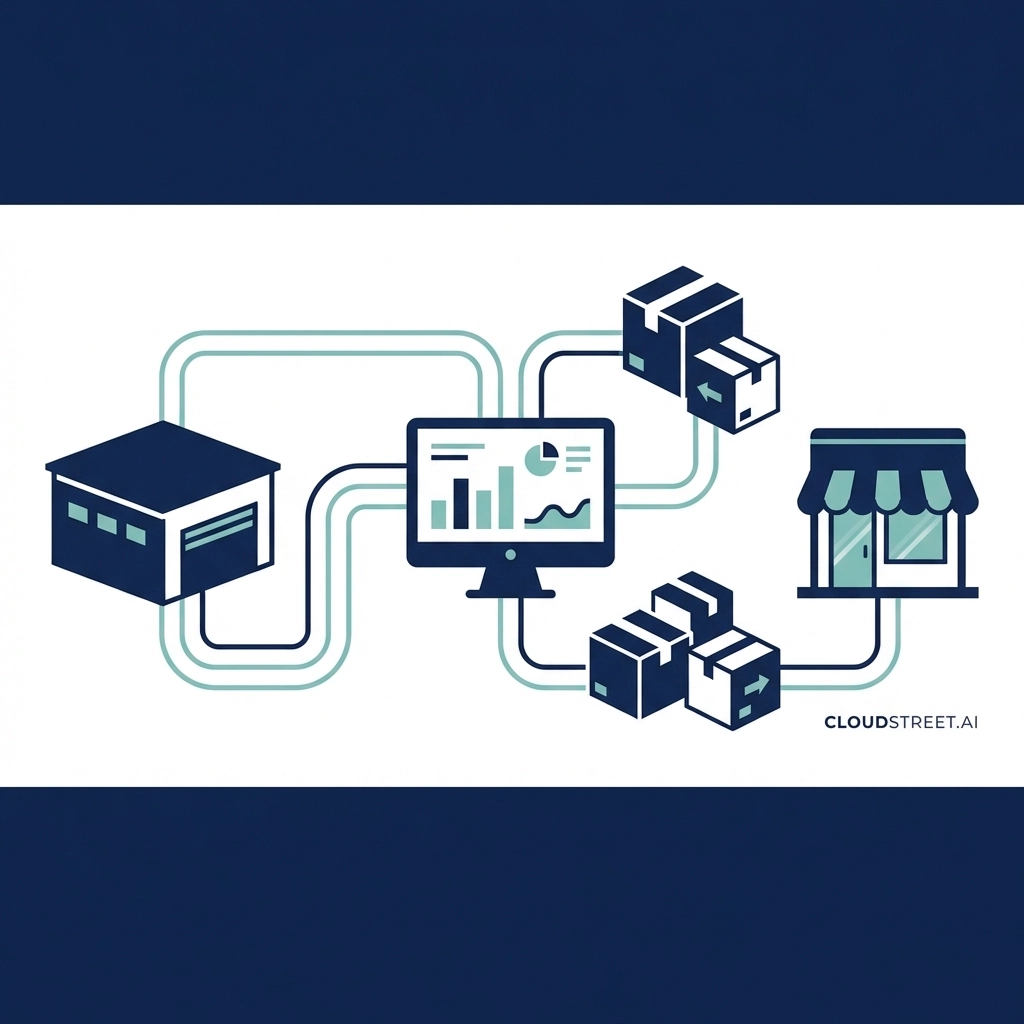
Traditional systems scatter critical data across disconnected platforms. Your CRM lives in one place, pricing in another, inventory in a spreadsheet, and fulfillment somewhere else entirely. The result? Manual coordination, order errors, and frustrated buyers.
Skincare products also come with unique complexities. Think seasonal collections, custom formulations, bundle kits, and strict regulatory documentation requirements. Managing all of this with outdated tools is a recipe for inefficiency.
Ready to modernize your skincare B2B operations? Connect with CLOUDSTREET to explore your options.
What Makes Salesforce Commerce Cloud B2B Ideal for Skincare
Salesforce Commerce Cloud B2B was built for industries with complex product catalogs, intricate pricing structures, and demanding buyer expectations. For skincare brands, it checks every box.

5 Key Capabilities That Drive Skincare Success
- Flexible Catalog Management for Diverse SKUs
Skincare brands juggle hundreds: sometimes thousands: of product variations. Different sizes, formulations, seasonal lines, and private-label options all need to be organized and easy to navigate. Salesforce Commerce Cloud B2B lets you build dynamic catalogs that adapt to your business, making it simple for buyers to find exactly what they need. - Account-Specific Pricing and Contracts
Not every buyer pays the same price. Your spa partners might have negotiated rates, while your retail distributors operate on different terms. Salesforce handles this complexity effortlessly, displaying the right pricing to the right account every time. - Seamless Order and Reorder Workflows
B2B skincare buyers often reorder the same products regularly. Salesforce streamlines this process with saved carts, quick reorder functionality, and automated reminders: reducing friction and encouraging repeat business. - CRM and ERP Integration
Your commerce platform shouldn’t exist in a vacuum. Salesforce integrates with ERPs like Sage, NetSuite, and SAP, as well as logistics and tax systems. This means real-time inventory visibility, accurate order fulfillment, and fewer manual handoffs. - Regulatory Documentation Support
Skincare products: especially those with CBD, SPF, or active ingredients: require compliance documentation. Salesforce allows you to attach safety data sheets, certifications, and ingredient lists directly to product records, ensuring buyers have everything they need.
For a deeper dive into how this works for skincare manufacturers, check out our detailed guide on Salesforce B2B Commerce for skincare manufacturers.
Real-World Results: How Naturopathica Transformed Their B2B Operations
Theory is great, but results matter more. Let’s look at how Naturopathica, a Manhattan-based skincare manufacturer, leveraged Salesforce Commerce Cloud B2B to revolutionize their wholesale business.
Before Salesforce, Naturopathica struggled with disconnected systems for CRM, commerce, pricing, and fulfillment. Heavy manual coordination slowed down every order, and errors were common.
After implementing Salesforce B2B Commerce Cloud, here’s what changed:
- Revenue doubled through improved buyer experiences and streamlined operations
- Buyer retention increased thanks to personalized portals and transparent order tracking
- Repeat orders grew with frictionless reorder workflows
- Human effort dropped as automation replaced manual processes
Naturopathica also implemented custom loyalty and promotion modules, sample distribution programs, and specialized solutions for CBD products: all within the Salesforce ecosystem. Integration with Sage ERP, Barrett logistics, and Avalara tax calculations created a unified, bidirectional system that eliminated silos.
Read the full story in our Naturopathica case study.
The Trends Driving Digital Transformation in Skincare B2B
Salesforce Commerce Cloud B2B isn’t just solving today’s problems: it’s positioning skincare brands for the future. Here are three trends shaping the industry.
B2B Personalization Is No Longer Optional
Your wholesale buyers now expect the same personalized experience they get as consumers. They want product recommendations based on their purchase history, promotions tailored to their account, and a storefront that feels built just for them. Salesforce delivers this through connected data and AI-powered insights.
SKU Complexity Is Increasing
Skincare brands are expanding their offerings with limited editions, custom formulations, and bundle kits. Managing this complexity requires a commerce platform that can handle dynamic catalogs without breaking a sweat.
Integration Is the New Standard
Disconnected systems are a liability. Modern skincare operations demand seamless integration between commerce, CRM, ERP, logistics, and tax systems. Salesforce excels here, serving as the connective tissue that keeps everything running smoothly.
Curious how these trends apply to your business? Talk to the CLOUDSTREET team for a personalized assessment.
7 Practical Tips for Implementing Salesforce B2B Commerce in Skincare
If you’re considering Salesforce Commerce Cloud B2B for your skincare business, here’s how to set yourself up for success.
- Start with a Data Audit
Before implementation, map out where your product, pricing, and customer data currently lives. This helps identify integration needs and data cleanup tasks. - Define Your Buyer Personas
Understand who your B2B buyers are: spas, retailers, distributors: and what each group needs from your storefront. This informs catalog structure and personalization strategies. - Prioritize ERP Integration Early
Don’t treat ERP integration as an afterthought. Connecting your commerce platform to inventory and fulfillment systems from day one prevents headaches later. - Build for Reordering
Since B2B skincare buyers reorder frequently, design your storefront with quick reorder functionality, saved carts, and subscription options in mind. - Plan for Regulatory Compliance
Set up your product records to include safety data sheets, certifications, and ingredient documentation. This builds trust and reduces support requests. - Invest in Training
Your sales and customer service teams need to understand the new system. Proper training ensures adoption and maximizes ROI. - Partner with an Expert
Salesforce implementations are complex. Working with an experienced partner like CLOUDSTREET: serving clients in Houston, across the U.S., and globally: ensures your project stays on track and delivers results.
For more insights on customized implementations, explore our guide on the smarter way to implement Salesforce B2B Commerce Cloud.

The Future: AI and Agentforce in Skincare Commerce
Looking ahead, the integration of AI and Salesforce’s Agentforce capabilities will take skincare B2B commerce even further. Imagine an AI agent that can recommend products based on a buyer’s order history, negotiate pricing within pre-set parameters, or automatically trigger restock reminders when inventory runs low.
This isn’t science fiction: it’s happening now. And the foundation for all of it is unified data. Salesforce Commerce Cloud B2B, connected to Data Cloud and your ERP, creates the data ecosystem that makes intelligent automation possible.
Explore how Agentic Commerce is shaping the future of B2B.
Key Takeaways
- Salesforce Commerce Cloud B2B skincare solutions address the unique challenges of wholesale skincare operations: from complex catalogs to regulatory compliance.
- Real-world results like Naturopathica’s doubled revenue prove the platform’s value.
- Integration with ERP, CRM, and logistics systems eliminates silos and streamlines operations.
- B2B personalization and AI are transforming buyer expectations: and Salesforce delivers.
- Partnering with experts like CLOUDSTREET ensures a smooth, successful implementation.
Ready to Transform Your Skincare B2B Operations?
At CLOUDSTREET, we specialize in Salesforce Commerce Cloud B2B implementations for skincare manufacturers, distributors, and wholesalers. Based in Houston, Texas, we serve clients locally and around the world.
Whether you’re struggling with disconnected systems, looking to personalize your buyer experience, or preparing for AI-driven commerce, we’re here to help.
Contact CLOUDSTREET today to start your skincare B2B transformation.
Category
Discover insights that drive results - explore out latest blog posts now
Case Study: How Highland Cabinetry Colorado Built a Modern Wholesale Powerhouse on Salesforce B2B Commerce Cloud
In the world of high-end cabinetry, timing is everything. When [...]

Agentforce ROI: 7 Ways to Maximize Your Salesforce AI Investment
You've heard the buzz. Salesforce Agentforce is supposed to revolutionize [...]

Salesforce B2B Commerce Cloud Partner & Consultant Guide
You're about to drop serious money on a Salesforce B2B [...]