Heroku's Next Chapter: Why It's Time to Migrate to Salesforce Experience Cloud
If you’ve been running customer portals or B2B sites on Heroku, you’ve probably heard the news: Heroku-20 stack reached its end of life in April 2025. While you can upgrade to newer Heroku stacks, this moment is actually a perfect opportunity to ask a bigger question: Is Heroku still the right tool for what you’re trying to do?
Here at CloudStreet, based in Houston, Texas, with customers locally and around the world, we’ve helped several companies make the shift from Heroku to Salesforce Experience Cloud. And honestly? Most of them wish they’d done it sooner.
Let’s talk about why this migration makes sense, what Heroku was really built for, and how Experience Cloud might be the modern platform your business actually needs.
What Heroku Was (and Wasn’t) Built For
When Heroku launched back in 2007, it was revolutionary. It gave developers a Platform-as-a-Service (PaaS) where they could deploy custom applications without worrying about infrastructure. Need to spin up a Ruby on Rails app? Deploy a Python microservice? Build something totally custom from scratch? Heroku was your friend.
And that’s still what Heroku does best: custom, code-heavy applications that require maximum flexibility and developer control.
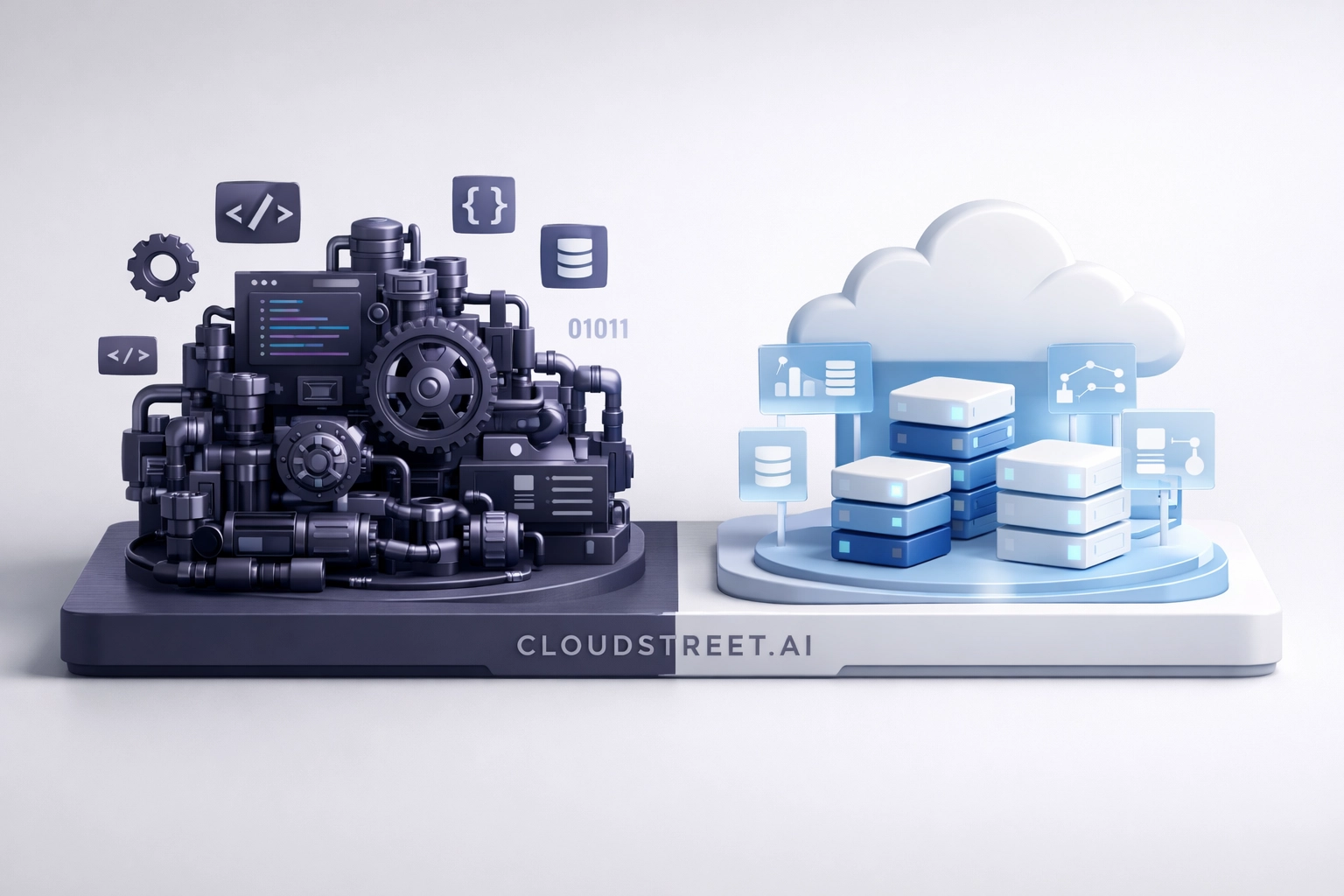
But here’s the thing. Somewhere along the way, a lot of companies started using Heroku to build customer portals, partner portals, and B2B sites. And while Heroku can do that, it’s kind of like using a Formula 1 race car to drive to the grocery store. Sure, it works: but it’s probably overkill, expensive to maintain, and not really designed for that purpose.
The Reality Check: Are You Using Heroku for Portal Functionality?
If your Heroku app is primarily serving as a customer-facing portal where users log in to:
- View their order history
- Download invoices or documents
- Track service requests
- Access product catalogs
- Submit support cases
- Manage their account information
…then you’re probably working way harder than you need to.
These are exactly the use cases that Salesforce Experience Cloud was purpose-built to handle. And when Heroku-20’s end of life forces you to make changes anyway, it’s the perfect time to evaluate whether there’s a better path forward.
Ready to explore your options? Our team at CloudStreet has guided multiple Heroku-to-Experience Cloud migrations. Let’s talk about your specific situation.
Why Experience Cloud Changes the Game for B2B Portals
Salesforce Experience Cloud (formerly Community Cloud) is Salesforce’s answer to the portal problem. It’s a platform designed specifically for building branded, secure digital experiences for customers, partners, and employees.
Here are 5 reasons why it’s becoming the go-to choice for B2B portals:
1. Native CRM Integration (No Custom API Work)
With Heroku, you’re probably writing custom code to sync data with your Salesforce CRM. API calls here, webhooks there, endless maintenance when something breaks.
Experience Cloud lives inside Salesforce. Your portal users are seeing real-time data directly from your CRM: no middleware, no sync delays, no custom integration headaches. When a sales rep updates an opportunity in Salesforce, your customer sees it instantly in their portal.
2. Low-Code Development with Lightning Web Components
Heroku requires developers for everything. Need to add a new page? That’s a development sprint. Want to tweak a layout? Better hope your dev team has bandwidth.
Experience Cloud uses drag-and-drop builders and Lightning Web Components (LWC). Your Salesforce admins can build and modify pages without writing code. And when you do need custom functionality, LWC gives you a modern, component-based framework that’s way easier to maintain than custom Heroku apps.
3. Built-In Security and Compliance
With Heroku, you’re responsible for securing your application. Authentication, authorization, data encryption, compliance: it’s all on you.
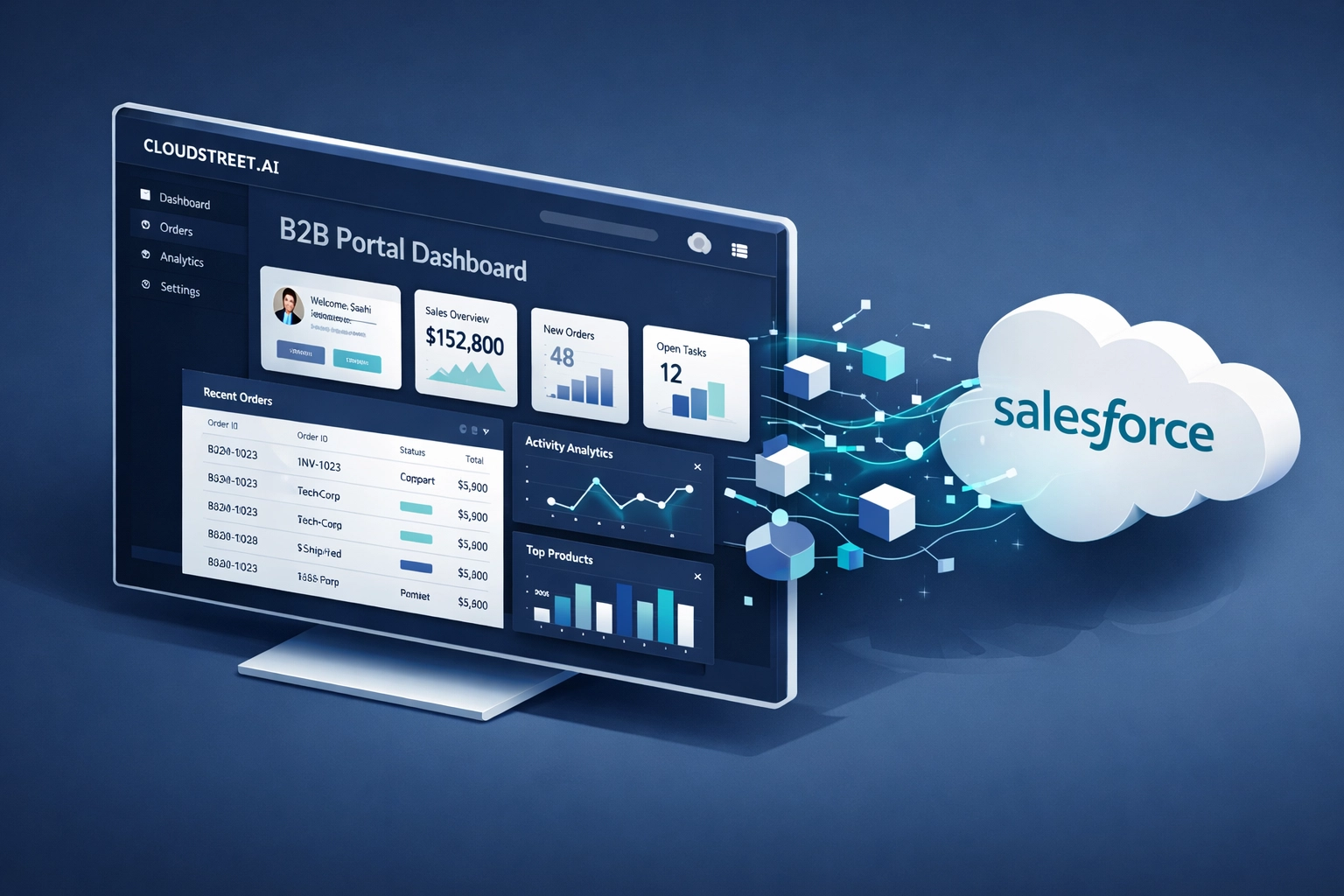
Experience Cloud inherits Salesforce’s enterprise-grade security model. User authentication, single sign-on, role-based permissions, field-level security, audit trails: it’s all built in and proven at scale. If you’re in a regulated industry, this alone is worth the migration.
4. Faster Time-to-Value
We’ve seen companies spend 6-12 months building a custom portal on Heroku. With Experience Cloud, we’ve launched functioning portals in as little as two weeks using standard components and templates.
That’s not an exaggeration. The platform comes with pre-built templates for common use cases, ready-to-go components, and best practices baked in. You’re not starting from scratch: you’re customizing a proven foundation.
5. Total Cost of Ownership
Let’s talk money. Heroku might seem cheaper upfront, but when you factor in:
- Developer time for ongoing maintenance
- Custom integration work
- Infrastructure management
- Security updates
- Feature development
…the total cost of ownership adds up fast. Experience Cloud shifts that burden to Salesforce. You get automatic updates, new features with every release, and a platform that evolves without requiring constant dev work.
Curious about ROI for your specific situation? Check out our guide on unlocking B2B success with Salesforce Experience Cloud to see real-world benefits.
Real Use Cases Where Experience Cloud Shines
We’ve helped migrate several types of Heroku portals to Experience Cloud. Here are the scenarios where we see the biggest wins:
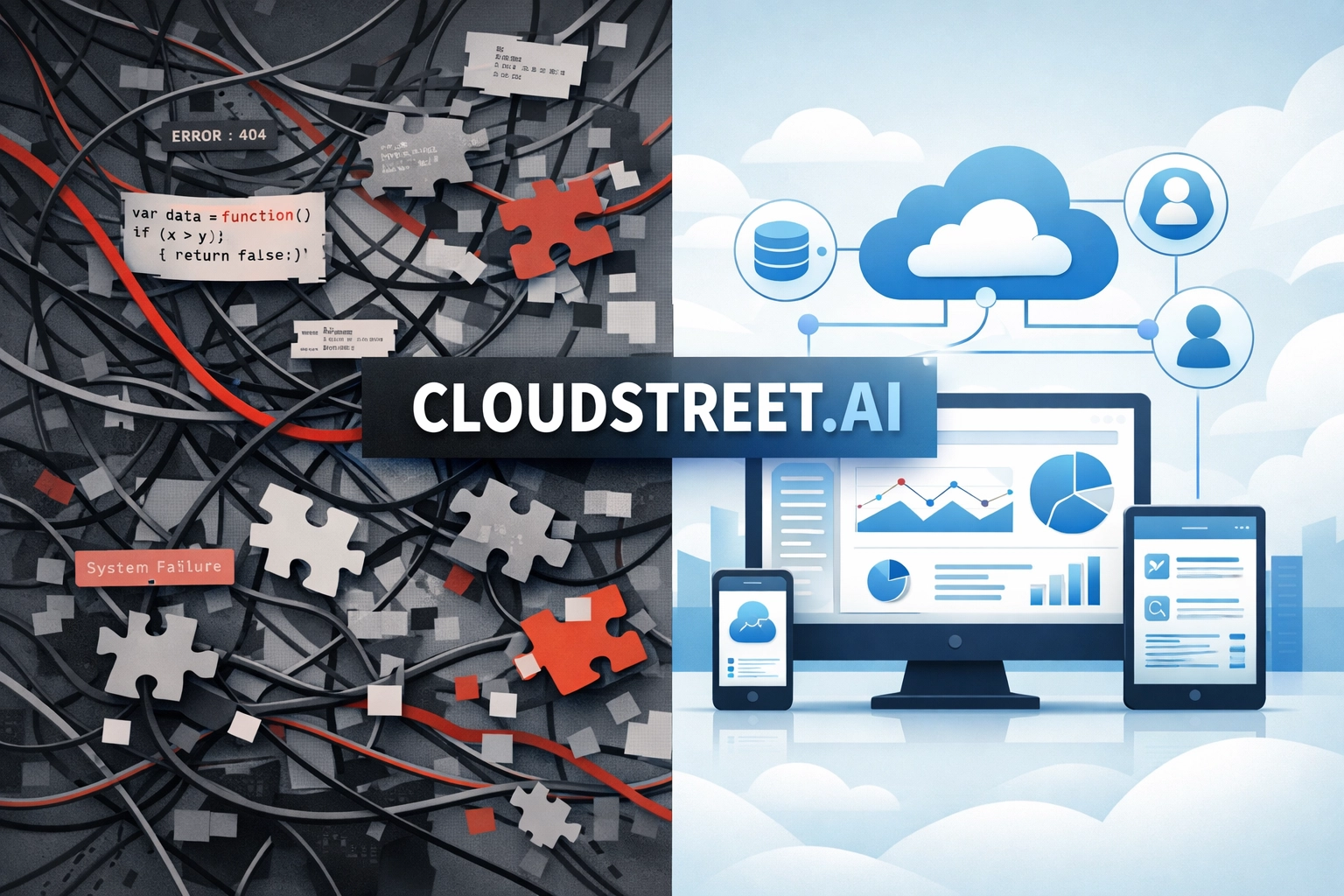
Customer Self-Service Portals: Instead of building a custom ticketing interface on Heroku, Experience Cloud gives you Case Management, Knowledge Base integration, and community features out of the box.
Partner Relationship Management: If you’re managing channel partners or resellers, Experience Cloud’s partner templates include deal registration, MDF requests, and co-branded experiences: all connected to your Partner Relationship Management data.
Order Management and Tracking: Customers can view orders, track shipments, and access invoices without you writing a single line of custom code. It’s all connected to your Salesforce data model.
For more specific examples, take a look at our post on 5 powerful Salesforce Experience Cloud use cases for B2B customer portals.
When Heroku Still Makes Sense
Let’s be clear: Heroku isn’t going anywhere, and there are still great reasons to use it.
Keep Heroku if you’re building:
- Complex, proprietary applications with unique business logic
- Microservices that need specific programming languages or frameworks
- Applications that require full control over the technology stack
- Custom integrations that truly need code-first development
The key is understanding what problem you’re solving. If it’s a portal or website for customer interaction, Experience Cloud is probably the better fit. If it’s a complex, custom application, Heroku might still be your answer.
Making the Migration: What to Expect
We won’t sugarcoat it: migrating from Heroku to Experience Cloud takes planning. But it’s not as scary as it sounds, especially with the right partner.
Here’s what the process typically looks like:
Phase 1: Discovery and Assessment (1-2 weeks)
- Audit your current Heroku application
- Map functionality to Experience Cloud capabilities
- Identify any custom requirements
- Define success metrics
Phase 2: Data Migration and Configuration (2-4 weeks)
- Migrate user data into Salesforce
- Set up security and permissions model
- Configure Experience Cloud templates
- Build custom components where needed
Phase 3: Testing and Training (1-2 weeks)
- User acceptance testing
- Performance testing
- Team training on admin features
- Documentation
Phase 4: Launch and Optimization (Ongoing)
- Phased rollout or big-bang launch
- Monitor adoption and performance
- Continuous improvement based on feedback

The timeline varies based on complexity, but we typically see migrations completed in 6-10 weeks: often faster than companies expect.
The CloudStreet Advantage
At CloudStreet, we’ve been in the Salesforce ecosystem long enough to see these platform shifts happen. We were helping companies migrate off legacy systems long before Heroku-20’s end of life became news.
Working from Houston with clients across the country and around the globe, we’ve developed a proven methodology for these migrations. We’re not just moving data: we’re helping you reimagine what your customer portal can be.
Our team includes certified Salesforce architects, Experience Cloud specialists, and developers who know both Heroku and Salesforce inside and out. We speak both languages, which means we can translate your Heroku functionality into Experience Cloud capabilities without losing anything in translation.
Time to Make Your Move
The Heroku-20 end of life isn’t just a forced upgrade: it’s an opportunity to build something better. If you’ve been maintaining a customer portal on Heroku, now’s the time to ask whether there’s a more modern, more integrated, more maintainable way forward.
Experience Cloud might not be right for every Heroku application. But for portals, websites, and customer-facing experiences? It’s become the clear choice for companies that want to move faster, reduce technical debt, and give their users a better experience.
Ready to explore what’s possible? Let’s talk about your Heroku app and whether Experience Cloud might be a better fit. Reach out to the CloudStreet team and let’s figure out your next chapter together.
The future of your customer portal doesn’t have to be complicated. Sometimes, the best path forward is the one that’s purpose-built for where you’re trying to go.
Category
Discover insights that drive results - explore out latest blog posts now
Case Study: How Highland Cabinetry Colorado Built a Modern Wholesale Powerhouse on Salesforce B2B Commerce Cloud
In the world of high-end cabinetry, timing is everything. When [...]
Agentforce ROI: 7 Ways to Maximize Your Salesforce AI Investment
You've heard the buzz. Salesforce Agentforce is supposed to revolutionize [...]
Salesforce B2B Commerce Cloud Partner & Consultant Guide
You're about to drop serious money on a Salesforce B2B [...]